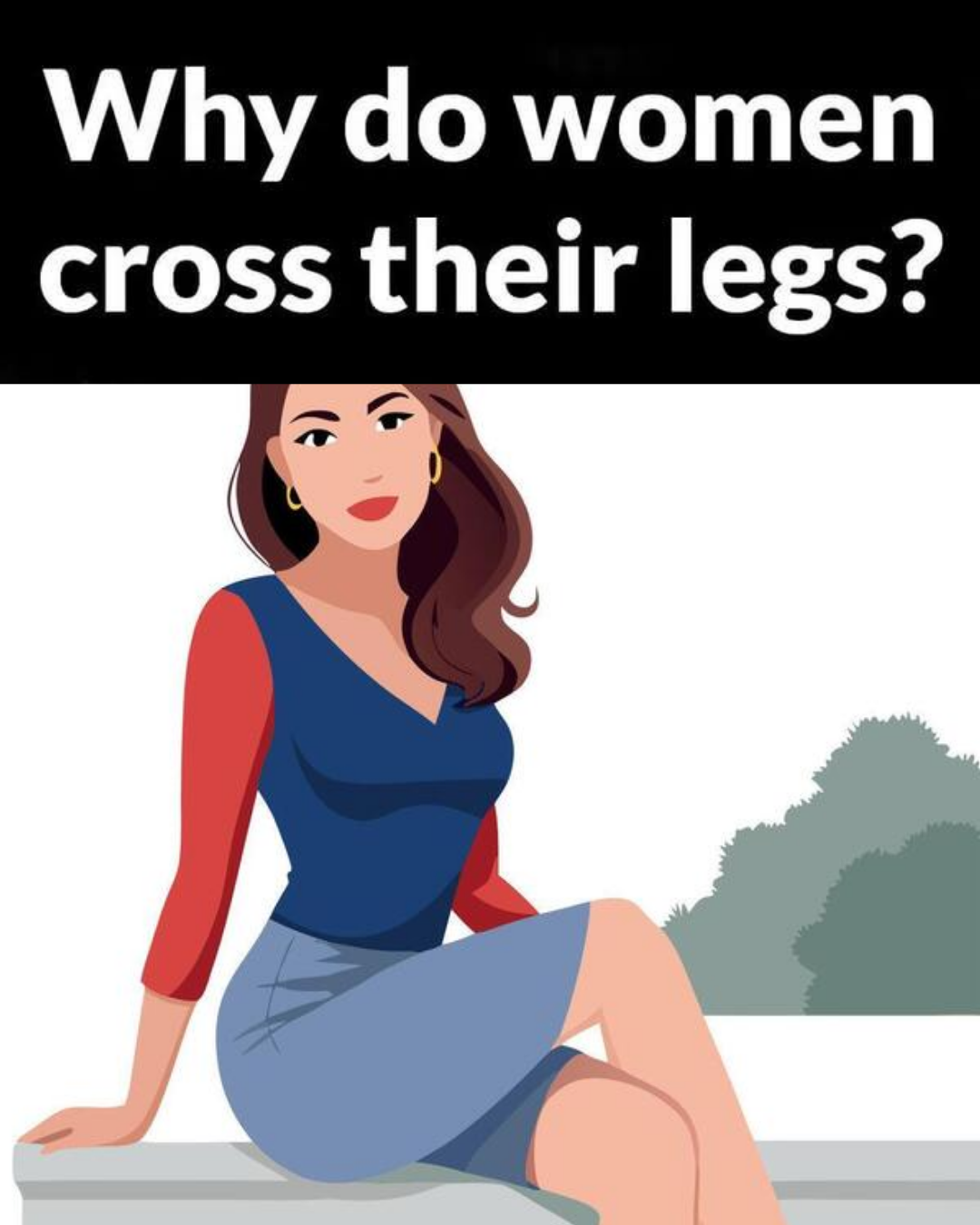
The way one crosses their legs while sitting may seem like a small habit, but it’s a gesture deeply shaped by cultural, social, and psychological influences.
For women especially, this posture carries historical weight, shaped by evolving ideals of femininity and social etiquette.
Throughout history, societies have regulated how women present themselves in public. In 18th-century Europe, for instance, literature and art portrayed the ideal woman as elegant and composed—an image reinforced through posture.
Crossing one’s legs became a subtle sign of modesty, delicacy, and grace, aligning with long-held notions of femininity. However, such interpretations aren’t universal. In many Eastern cultures, this gesture can be perceived as rude or dismissive, underlining how cultural context heavily influences meaning.
Today, while concepts of femininity have evolved, the leg-crossing habit persists—often shaped by early social conditioning and reinforced through media and fashion.
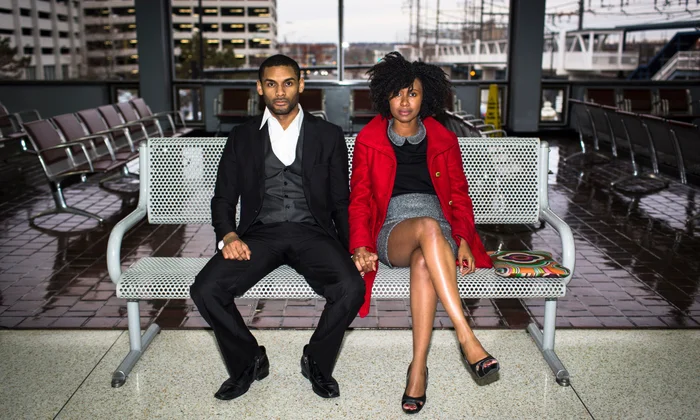
For many women, it’s not simply a choice of comfort but a response to societal expectations around composure and appearance. These expectations can, in turn, affect how freely women move and sit in various spaces.
Psychological Insight into a Simple Gesture
Crossing the legs can offer a window into a woman’s emotional and psychological state. Depending on the situation, it might reflect confidence or, on the contrary, a sense of vulnerability or withdrawal. Often, the posture serves as a way to establish personal space—almost like a protective boundary during social interactions.
From a psychoanalytic perspective, closed body language like tight leg crossing might signal anxiety or insecurity, while more open positions can suggest emotional ease or assertiveness. Behavioral psychology also interprets such gestures as a nonverbal way of expressing one’s mental state—intentionally or not.
Again, context matters. What might appear as a graceful pose in one country could come off as defensive or impolite in another. And for some women, the simple act of sitting with crossed legs may be more about habit than conscious expression, shaped by a lifetime of subtle cues about how to “act appropriately.”