The Rise of Digital Note-Taking
In our digital-centric world, capturing meetings, conversations, and fleeting ideas has never been easier, thanks to a plethora of apps designed to record and document every detail. This shift to digital tools marks a significant departure from traditional methods that once dominated the realm of note-taking.
A Historical Glimpse into Shorthand
Before the advent of recording apps and digital note-taking, shorthand was the go-to method for recording information swiftly. As outlined by the Encyclopaedia Britannica, the concept of shorthand was initiated by the Greek historian Xenophon. It was during the Roman Empire, however, that this form of writing gained widespread usage, allowing scribes to quickly transcribe speeches and dialogues as they unfolded. This ancient system remained in use for over a millennium until it saw a decline during the Middle Ages.
The Renaissance of Shorthand
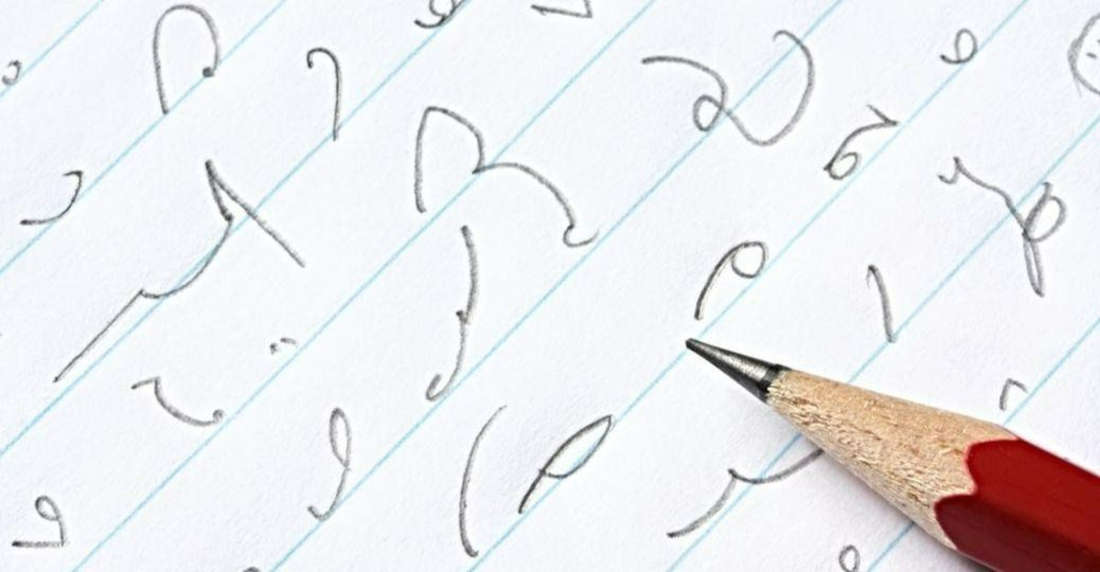
Shorthand experienced a resurgence in the Victorian Era and became a crucial tool during the Reformation, particularly for transcribing Bible translations more efficiently. The demand for quick writing soared during the Industrial Revolution, leading to the development of modern shorthand systems. In 1837, Sir Isaac Pitman introduced a refined version of shorthand, which his brother later introduced to America in 1852. While Pitman’s method was preferred in Britain, the United States favored John Robert Gregg’s system, initially known as Light-Line Phonography when it was devised in 1888, and later renowned as Gregg Shorthand.
The Mechanics and Modern Use of Shorthand
Shorthand is distinguished by its ability to simplify words into minimal strokes, which drastically speeds up the writing process. This method, characterized by various dots and loops, can often appear cryptic, bearing more similarity to scripts like Arabic than to English. Gregg’s shorthand, once mastered, enabled individuals to write as fast as 280 words per minute. Today, while not as common, shorthand still finds relevance in legal, medical, and secretarial contexts where rapid note-taking is invaluable.
Reflecting on Shorthand’s Legacy
What are your thoughts on the art of shorthand? Whether you’ve used it yourself or know someone who has, we’d love to hear about your experiences. Share this post to spread knowledge about this fascinating, time-honored script and its impact on the way we document information today!